Full-Service Tree Services: Explore Our Spectrum of Expert Solutions for Thriving Trees and Landscapes
Wide-ranging tree services fulfill an vital role in sustaining healthy landscapes. These services include several aspects, from tree trimming to pest management. Each element adds to the overall vitality of trees and the surrounding ecosystem. Regular maintenance not only boosts aesthetics but also encourages biodiversity. Understanding the full range of solutions available can greatly impact the health of your trees. What strategies can be implemented to ensure their longevity and resilience?
Significance of Tree Care for a Vibrant Landscape
Although often overlooked, tree maintenance plays a critical role in upholding a healthy landscape. Appropriate treatment confirms that trees remain resilient against illnesses, insects, and environmental pressures. Regular inspections facilitate the early detection of potential issues, decreasing risks to both the trees and surrounding plants. Moreover, maintaining trees strengthens their structural integrity, stopping hazards such as falling branches that could jeopardize property or people.
Trees make substantial contributions to the ecosystem by improving air quality, delivering shade, and supporting wildlife. Healthy trees can better absorb carbon dioxide and release oxygen, promoting a balanced environment. Additionally, well-maintained trees can boost Twisted Tree Services LLC property values and improve the aesthetic appeal of outdoor spaces. Therefore, investing in tree maintenance not only fosters a thriving landscape but also supports environmental sustainability, making it a vital practice for homeowners and communities alike.
Pruning and Trimming Trees: Improving Health and Visual Appeal
Tree pruning and trimming play a vital role in promoting healthy growth and elevating the appearance of trees. Understanding the positive aspects of diverse pruning methods and the perfect timing for these practices can produce optimal outcomes. Correctly implemented, these methods not only improve tree structure but also contribute to a vibrant landscape.
Benefits of Pruning Techniques
Pruning procedures hold a fundamental position in fostering the health and aesthetic appeal of trees. By strategically eliminating dead, diseased, or overcrowded branches, these practices increase air circulation and light penetration, fostering robust growth. Pruning also shapes the tree, enhancing its structure and overall appearance, which can boost property value. Additionally, strategic pruning can avoid potential hazards by decreasing the risk of branches breaking during storms. It promotes the development of a strong framework, permitting better nutrient distribution. Moreover, regular pruning can stimulate flowering and fruit production, producing a more vibrant and productive landscape. Overall, adopting effective pruning techniques is vital for sustaining the vitality and beauty of trees in any environment.
When to Schedule for Maximum Results
The timing of cuts greatly affects how effective pruning techniques will be. Ideal results are often achieved during the tree's dormant season, typically late winter to early spring, when energy reserves are high, and the risk of disease is lower. During this window, trees heal rapidly, fostering strong growth in the next season. Alternatively, summer trimming can prove advantageous for select species to regulate growth and structure without harming overall condition. Fall pruning should be avoided, since it may leave trees vulnerable to cold injury and insect problems. Comprehending the particular demands of different tree species confirms that pruning approaches correspond with their organic growth rhythms, producing healthier and more attractive outdoor spaces.
Tree Removal Services: Understanding When and Why It's Essential
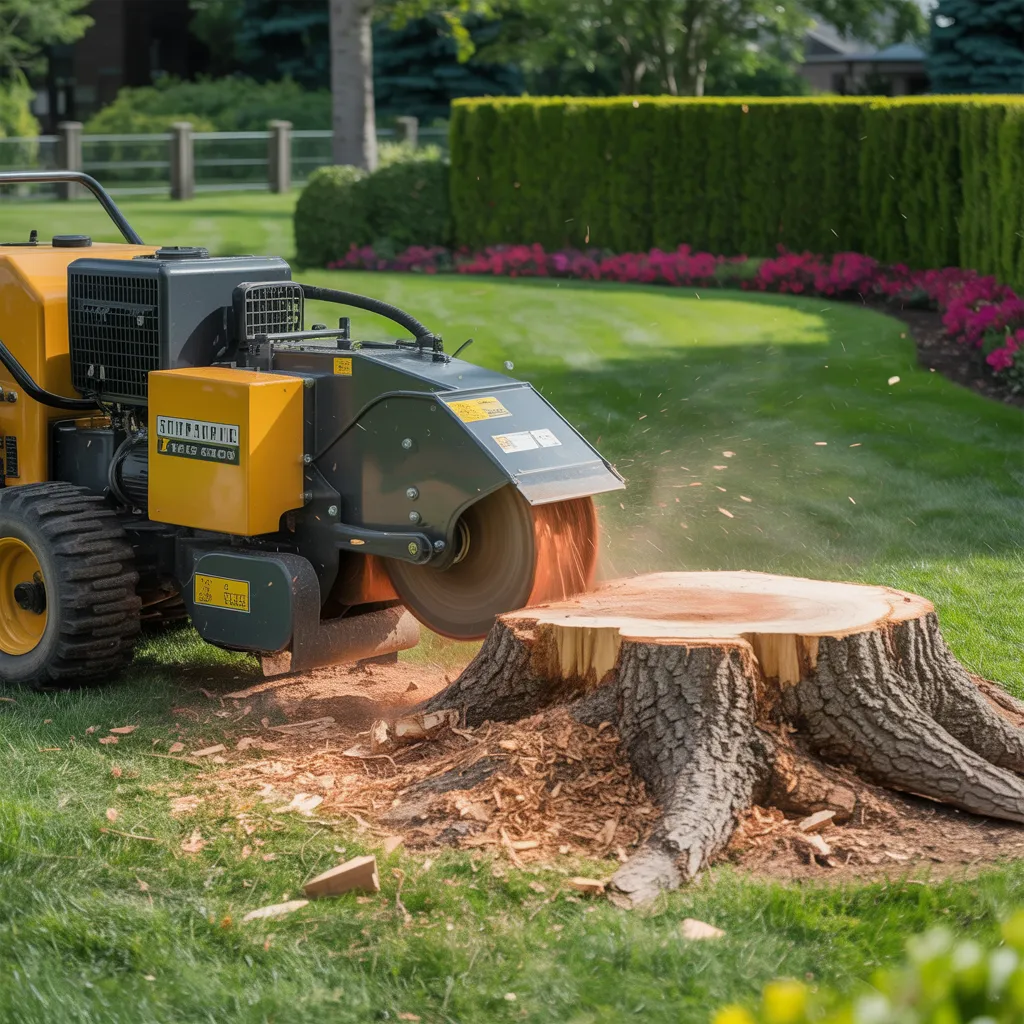
When dealing with a risky or decaying tree, property owners frequently question the requirement for professional tree removal services. These choices are essential for guaranteeing safety and maintaining the landscape's integrity. Trees could need to be removed owing to various factors, including significant disease, structural instability, or proximity to power cables and buildings. A tree that creates a falling danger can put at risk people and assets, making prompt removal necessary.
Occasionally, trees might interfere with the growth of healthier plants, competing for nutrients and sunlight. In addition, dead or dying trees can bring in pests, which can spread to adjacent vegetation. Professional tree removal services deliver expertise in evaluating these situations, ensuring that the process is conducted safely and efficiently. In the end, the decision to remove a tree should be founded on a thorough evaluation of its health and potential risks to the surrounding environment.
Managing Pests and Diseases: Keeping Your Trees Safe
Managing pests and diseases is crucial for maintaining the health of trees, particularly after the removal of unsafe specimens. Once a tree is removed, nearby trees may become exposed to pests and diseases that previously existed within the ecosystem. Professional tree services offer specific solutions to detect and treat infestations and infections successfully.
Implementing an integrated pest management approach is essential, merging cultural practices, biological controls, and, when required, chemical treatments. Routine monitoring allows for early detection of potential threats, minimizing the risk of widespread damage.
Furthermore, encouraging overall tree health through correct watering, pruning, and fertilization can greatly lower susceptibility to pests and diseases. By implementing thorough pest and disease management, property owners can maintain the longevity and health of their landscapes. This preventive approach not only protects individual trees but also enhances the ecological balance of the surrounding environment.
Emergency Tree Care: Handling Storm Damage
What steps should property owners take to address storm damage affecting their trees? Quick inspection is critical; property owners should begin by inspecting their landscape for unsafe circumstances, such as downed limbs or unstable trees. Safety must take precedence, and individuals are recommended to keep a safe distance from damaged trees that may present dangers.
Following the risk evaluation, calling a professional tree service is necessary. Qualified technicians can supply the necessary equipment and expertise to safely remove debris and examine tree health. They can also identify trees that may require trimming or complete removal to avert future hazards.
Additionally, capturing damage with photographs can be advantageous for insurance claims. Even though the urgency to restore the landscape is reasonable, it is important to avoid rushed decisions related to tree removal, as some trees may bounce back with correct care.
Green Solutions: Supporting Lasting Tree Health
Eco-conscious methods in tree care emphasize strategies that promote long-term health and resilience of trees. This includes environmentally conscious approaches that limit chemical use and promote natural growth, coupled with effective soil health management to guarantee trees receive necessary nutrients. By prioritizing these practices, tree services can contribute to a stronger ecosystem and improve the longevity of city and neighborhood landscapes.
Environmentally Friendly Tree Care
While many tree care practices emphasize immediate results, eco-friendly approaches prioritize nurturing long-term tree health through sustainable methods. These practices emphasize the use of organic fertilizers and natural pest control solutions, reducing the reliance on harmful chemicals. Moreover, eco-friendly tree care utilizes proper pruning techniques that promote healthy growth while reducing stress on trees. Mulching plays a crucial role in conserving moisture and regulating soil temperature, further supporting tree vitality. Furthermore, eco-friendly approaches advocate for planting native species, which are more suitably adapted to local conditions and require less maintenance. By championing environmental stewardship, these sustainable practices add not only to healthier trees but also to the overall health of the surrounding ecosystem, fostering a more resilient landscape for future generations.
Managing Soil Health
Nutrient-rich soil functions as the foundation for vigorous tree growth, making soil health management a fundamental element of environmentally conscious tree care. Sound soil health practices require analyzing soil composition, pH levels, and nutrient availability. Incorporating organic amendments, such as compost and mulch, boosts soil structure and fertility, fostering beneficial microbial activity. Additionally, utilizing crop rotation and cover cropping can stop nutrient depletion and erosion, cultivating a sustainable ecosystem. Regular soil testing enables personalized nutrient management, making certain trees receive ideal care. Additionally, decreasing soil compaction through prudent landscaping practices shields root systems, supporting overall tree health. Overall, emphasizing soil health equips tree care professionals to create more robust landscapes that endure for generations.
Frequently Asked Questions
How Frequently Should I Schedule Tree Maintenance Services?
Tree care services ought to be arranged on an annual basis, with additional visits as needed for specific issues such as disease or storm damage. Regular assessments help ensure trees remain healthy, enhancing safety and elevating the landscape's overall appearance.
How Do You Recognize an Unhealthy Tree?
Warning signs of tree health problems feature yellowing leaves, premature leaf drop, visible decay or fungi, stunted growth, and brittle branches. Additionally, any unusual cracks or pest invasions can indicate internal health complications that need immediate care.
Do Tree Services Contribute to Boosting Property Value?
Absolutely, tree services can increase property value by keeping healthy trees, elevating aesthetics, and ensuring safety. Properly maintained landscapes entice potential buyers, creating a positive impression and increasing the overall appeal of the property.
Is There a Consultation Service for Landscape Design?
Landscape design consultation services are offered. The team assesses the property, talks about client preferences, and offers bespoke recommendations to enhance aesthetics, functionality, and overall appeal, providing a thoughtfully designed outdoor space that addresses individual needs.
Which Certifications Are Your Arborists Qualified With?
The arborists possess various certifications, including Certified ISA Arborist credentials and Tree Risk Assessment Qualification. Such qualifications demonstrate expertise in arboriculture, safety protocols, and tree maintenance, reflecting their focus on exceptional service and professional standards in the arboriculture field.